
Living in Texas means embracing the Lone Star State’s unique blend of vast landscapes, vibrant
culture, and, unfortunately, unpredictable weather. From scorching summers that push temperatures
over 100°F to sudden hailstorms that can pelt your home with ice chunks the size of golf balls, Texas
homeowners know the importance of a sturdy roof. If you’re still relying on traditional 3-tab shingles, it
might be time to consider an upgrade to Class 3 architectural shingles. This isn’t just about
aesthetics—though they do look fantastic—it’s about long-term protection, cost savings, and peace of
mind in a state where Mother Nature doesn’t pull punches.
In this comprehensive blog, we’ll dive deep into why upgrading your shingle roof to Class 3 architectural
shingles is a smart move for Texas residents. We’ll explore the technical differences, weather-specific
benefits, financial incentives, and more. By the end, you’ll understand how this upgrade can transform
your home from vulnerable to resilient. Whether you’re in the hail-heavy plains of North Texas or the
windy coastal areas near Houston, these shingles are designed with Texas challenges in mind. Let’s
break it down step by step.
What Are Class 3 Architectural Shingles?
Before we get into the benefits, it’s essential to understand what we’re talking about. Traditional 3-tab
shingles are the basic, flat asphalt roofing material that’s been a staple for decades. They’re affordable
and functional but consist of a single layer, making them lighter and less robust. Architectural shingles,
on the other hand, are also known as dimensional or laminate shingles. They feature multiple layers of
asphalt-coated fiberglass, bonded together to create a thicker, more textured product that mimics the
look of premium materials like wood shakes or slate.
Now, the “Class 3” designation refers to their impact resistance rating under the UL 2218 standard, a
test developed by Underwriters Laboratories. In this test, shingles are subjected to steel balls dropped
from specific heights to simulate hail impacts. Class 3 shingles can withstand a 1.75-inch steel ball
dropped from 17 feet without cracking, tearing, or showing significant damage. This rating places them
in the upper tier of hail resistance for asphalt shingles, just below Class 4, which handles even larger
impacts.
In terms of construction, Class 3 architectural shingles incorporate enhanced reinforcement layers,
stronger asphalt blends (often modified with polymers for flexibility), and improved adhesion to absorb
and disperse energy from impacts. They’re typically 20-40% thicker than standard shingles, weighing
more and providing a sturdier base. For Texas homes, this means a roof that’s better equipped for the
state’s extreme conditions, from hail in “Hail Alley” (stretching from the Panhandle to Central Texas) to
high winds and intense UV exposure.
Upgrading isn’t just a minor tweak; it’s a significant enhancement. Standard shingles might last 15-20
years in mild climates, but in Texas, they degrade faster due to heat and storms. Architectural versions,
especially Class 3, can endure 25-40 years or more with proper installation and maintenance. This
longevity alone makes them worth considering, but the real value shines in their performance against
Texas-specific threats
Superior Hail Resistance: A Game-Changer in Hail-Prone Texas
Texas leads the nation in hail damage claims, with over 750 hail events annually, particularly in areas
like Dallas-Fort Worth and San Antonio. Hailstorms can cause thousands in repairs, from dented
shingles to full roof replacements. Traditional 3-tab shingles often crack, lose granules, or puncture
under moderate hail, leading to leaks and mold issues. Class 3 architectural shingles, however, are
engineered to handle hail up to 1.75 inches in diameter without failing.
The secret lies in their multi-layered design and impact-absorbing materials. When hail hits, the energy
is distributed across the layers, preventing penetration and reducing granule loss. In Central Texas,
where hail is a yearly ritual, homeowners with Class 3 shingles report far fewer claims and repairs. For
instance, during the massive 2022 hailstorm in Waco, roofs with impact-resistant shingles showed
minimal damage compared to standard ones.
Beyond immediate protection, this upgrade extends your roof’s life by minimizing cumulative wear. Hail
doesn’t just cause visible dents; it accelerates aging by exposing the asphalt to UV rays. Class 3
shingles maintain their integrity, keeping your home dry and secure. And in a state where insurance
companies scrutinize hail claims, having a rated roof can streamline approvals and reduce
out-of-pocket costs.
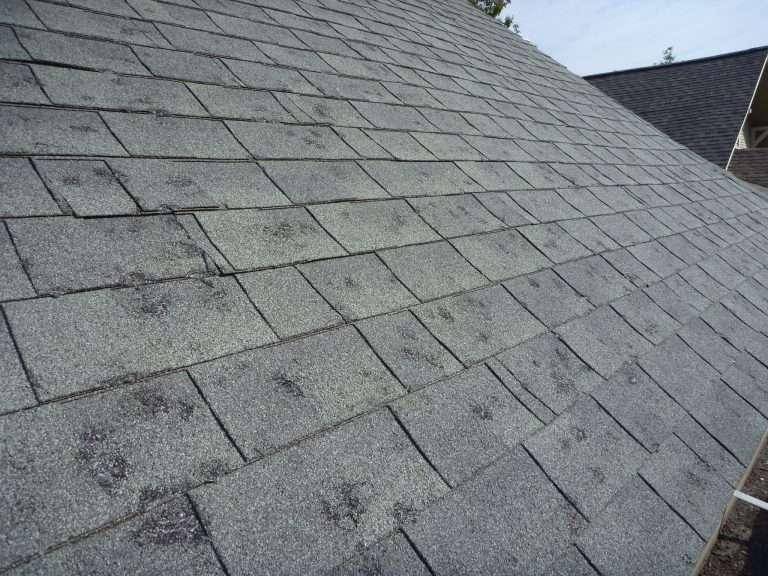
To visualize the difference, consider these images of hail-damaged roofs before an upgrade:
After upgrading, the roof not only withstands storms better but looks pristine.
This benefit is particularly crucial for rural Texas homes, where response times for repairs can be
delayed. By choosing Class 3, you’re investing in proactive defense, potentially saving thousands in
emergency fixes over the roof’s lifespan.
Enhanced Wind and Storm Protection
Texas isn’t just about hail; high winds from thunderstorms, hurricanes along the Gulf Coast, and even
tornadoes pose constant threats. Standard shingles are rated for winds around 60-70 mph, but
architectural ones, especially Class 3, boast ratings of 110-130 mph. This is due to their heavier weight
and stronger bonding, which prevents uplift and blow-offs.
In windy regions like West Texas or coastal areas, where gusts can exceed 100 mph, this resistance is
vital. Architectural shingles’ laminated structure creates a tighter seal, reducing the risk of water
infiltration during driving rains. They also comply with Texas building codes that mandate higher wind
loads in hurricane-prone zones.
Moreover, the impact resistance ties in here—debris carried by winds can mimic hail damage. Class 3
shingles handle both, offering comprehensive storm protection. Homeowners in Houston, still
recovering from Hurricane Harvey’s lessons, often opt for these to future-proof their properties.
Increased Durability and Longevity
Durability is where Class 3 architectural shingles truly excel. Their multi-layer construction makes them
up to three times thicker than 3-tab shingles, providing better resistance to cracking, curling, and
thermal expansion from Texas’s extreme temperature swings. In the blistering summer heat, standard
shingles can soften and warp, but architectural ones incorporate UV-blocking granules and reflective
technology to stay cooler and last longer.
Expect a lifespan of 30-40 years, compared to 15-20 for basics, with warranties often covering that
period. This means fewer replacements, less waste, and stable home maintenance costs. Regular
inspections after storms and proper ventilation further extend this, making them ideal for Texas’s
demanding climate.
Aesthetic Appeal and Home Value Boost
Let’s not overlook the visual upgrade. Architectural shingles offer a dimensional, textured look with
varied colors and styles that enhance curb appeal. In Texas neighborhoods, where homes range from
ranch-style to modern, these shingles can mimic expensive slate or wood, adding sophistication without
the cost.
This aesthetic boost translates to higher resale value. Real estate experts note that a premium roof can
increase home value by 5-10%, especially in competitive markets like Austin or Dallas. Buyers
appreciate the low-maintenance appeal and warranty transfer.
Here’s what a Texas home looks like with architectural shingles:

It’s a noticeable improvement that stands out.
Insurance Savings and Cost-Effectiveness
One of the most compelling financial benefits is insurance discounts. Many Texas insurers offer 15-30%
reductions on premiums for homes with Class 3 impact-resistant roofs, as they lower claim risks. With
average homeowners’ insurance in Texas exceeding $2,500 annually, this can save hundreds yearly.
Energy Efficiency in the Texas Heat
Texas summers are brutal, and roofs play a key role in home cooling. Architectural shingles provide
better insulation, reducing heat transfer to the attic and lowering AC bills by 10-15%. Their reflective
granules deflect UV rays, keeping the roof cooler and extending its life.
In eco-conscious areas like Austin, this efficiency aligns with green building trends, potentially qualifying
for rebates. Combined with proper ventilation, it’s a win for comfort and the environment.
Conclusion: Make the Upgrade Today
Upgrading to Class 3 architectural shingles in Texas isn’t just an improvement—it’s essential for
weathering the state’s challenges. From hail and wind protection to savings and style, the benefits are clear. Awesome Roofing is here to assess your needs so you can start enjoying a more secure home.
Your roof, and your wallet, will thank you.